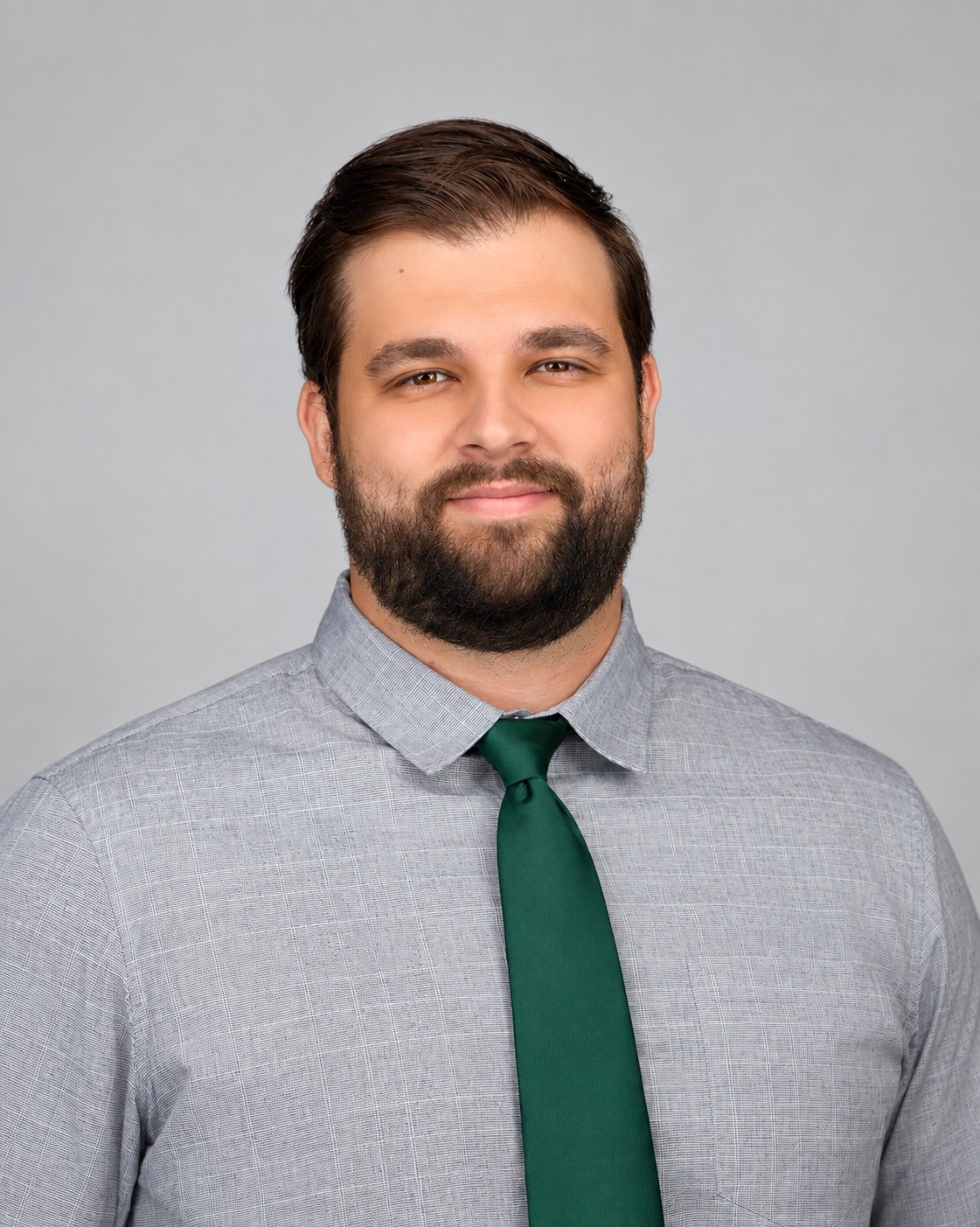
Tyler Schmitt, LPC, CTP, is a Licensed Professional Counselor in Illinois and a Certified Trauma Professional with more than six years of clinical experience. He specializes in supporting individuals navigating anxiety, trauma, depression, ADHD, identity concerns, and major life transitions. Tyler has a particular passion for supporting men through their mental health journeys and helping clients develop healthier ways of understanding themselves and connecting with others.
Tyler brings experience across both inpatient and outpatient settings, allowing him to support clients with a wide range of mental health concerns. His approach is compassionate, collaborative, and relational, with an emphasis on creating a safe, nonjudgmental environment where clients can process difficult experiences, build resilience, and work toward meaningful change.


I believe healing happens within relationship. At my core, I am grounded in the humanistic belief that you already possess the wisdom and capacity for growth within you. I draw from person-centered therapy, which emphasizes genuine presence, unconditional positive regard, and authentic care as important conditions for meaningful change.
I am also deeply influenced by Relational-Cultural Therapy, which recognizes that disconnection and isolation can contribute to many struggles, while genuine connection can become a powerful source of growth. Many of us learn through family patterns, cultural messages, or painful experiences that vulnerability and openness are risky. I believe therapy can provide a safe space to explore those experiences and develop healthier ways of connecting with yourself and others.
An existential perspective also shapes my work. I believe anxiety, trauma responses, and life transitions can bring deeper questions about meaning, identity, authenticity, and values to the surface. Together, we can explore questions such as who you are becoming, what matters most to you, and how you want to live your life.
I work collaboratively and relationally because you are the expert on your own life. I use evidence-based approaches including Cognitive Behavioral Therapy (CBT), Dialectical Behavior Therapy (DBT), and Acceptance and Commitment Therapy (ACT) to help you understand patterns, manage difficult emotions, and develop practical tools for change. My goal is to help you feel safer in your body and in the therapeutic space, process what you have been carrying, manage anxiety with greater self-compassion, and move toward becoming more authentically yourself.

I have more than six years of clinical experience across both inpatient and outpatient mental health settings. I began my career as a Mental Health Professional in a fast-paced inpatient environment, where I developed foundational skills in crisis intervention, assessment, and therapeutic support for individuals experiencing acute mental health challenges.
After completing my master’s degree and obtaining provisional licensure, I transitioned to outpatient mental health. My experience includes conducting intake assessments, facilitating groups, and providing individual therapy to diverse populations experiencing trauma, anxiety, mood disorders, ADHD, and life transitions.
I currently lead Intensive Outpatient Program (IOP) groups part-time while providing individual therapy. My clinical experience has given me the opportunity to work with adolescents, young adults, and adults across a variety of concerns. I have a particular passion for trauma recovery, anxiety disorders, and men’s mental health, and I strive to understand the unique experiences and social expectations that may shape how individuals express emotions and seek support.
My clinical approach integrates person-centered, relational, existential, and evidence-based perspectives. I draw from Cognitive Behavioral Therapy (CBT), Acceptance and Commitment Therapy (ACT), and Dialectical Behavior Therapy (DBT), while tailoring treatment to each client’s needs, experiences, values, and goals.
My goal is to create a supportive and collaborative environment where clients can better understand themselves, develop healthier coping strategies, strengthen relationships, and make meaningful progress toward the life they want.